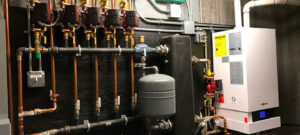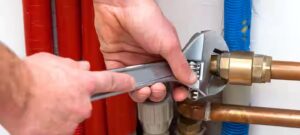

A boiler losing pressure is one of the most common issues homeowners face, and it can be worrying if you do not know why it is happening. The good news is that most causes are simple to identify, and some you can even fix yourself. Gas Right explains the eight most common reasons and what to do about each one.
Why Does My Boiler Lose Pressure?
Before diving into the causes, it helps to understand what “pressure” actually means. Your boiler needs a specific amount of water pressure, usually between 1 and 1.5 bar, to circulate hot water efficiently around your home. When this drops too low, your heating and hot water can stop working properly.
If you keep asking yourself “why does my boiler lose pressure”, one of the following eight issues is likely the culprit.
1. A Water Leak Somewhere in the System
The most common cause of low boiler pressure is a leak. This could be at a radiator valve, a pipe joint, or even inside the boiler itself.
What to do: Check around radiators and visible pipework for damp patches or drips. If you spot a leak, turn off your heating and call a Gas Safe engineer.
2. Bleeding a Radiator
Releasing trapped air from a radiator is normal maintenance, but it also releases some water, which lowers system pressure.
What to do: After bleeding a radiator, top up the pressure using your boiler’s filling loop, following the manufacturer’s instructions.
3. A Faulty Pressure Relief Valve
If your boiler pressure keeps dropping even with no visible leak, the pressure relief valve might be stuck open or worn out.
What to do: Look for water near the valve or an external overflow pipe. This is a job for a professional, as the valve needs replacing.
4. Issues With the Filling Loop
The filling loop is the small valve used to top up your system. If it does not seal properly, it can slowly leak water, causing gradual pressure loss.
What to do: Check the loop is fully closed after topping up. A worn filling loop should be replaced by an engineer.
5. A Faulty Expansion Vessel
The expansion vessel absorbs pressure changes as water heats and cools. When it fails, your system may struggle to hold steady pressure.
What to do: This requires a professional diagnosis, as the vessel’s internal air charge needs specialist equipment to check and correct.
6. Boiler Losing Pressure Overnight
If your boiler losing pressure overnight is a repeated pattern, it usually points to a slow, small leak that is not obvious during the day.
What to do: Note your pressure gauge reading before bed and check it again in the morning. Share this information with your engineer to help them pinpoint the issue faster.
7. Corrosion in Old Pipework
Older systems can develop tiny leaks from internal corrosion, especially in homes that have not had a power flush in several years.
What to do: A power flush clears sludge and debris, which can reduce strain on your system and prevent further corrosion-related leaks.
8. Recently Fitted Radiators or Pipework
New radiators or pipework can sometimes develop minor leaks at the joints as they settle in.
What to do: Keep an eye on new installations for the first few weeks and report any pressure drops to your installer.
How to Fix Low Boiler Pressure Yourself
For minor boiler pressure problems, you can often top up the pressure safely at home. Here is a simple guide on how to fix low boiler pressure:
- Turn off your boiler and let it cool down.
- Locate the filling loop, usually a braided hose under the boiler.
- Open both valves slowly until the pressure gauge reads between 1 and 1.5 bar.
- Close both valves firmly.
- Turn your boiler back on and check the pressure holds steady.
If your boiler pressure keeps falling shortly after topping up, this signals a leak or fault that needs a professional look, rather than repeated DIY fixes.
When to Call a Professional
While topping up pressure is safe to do yourself, repeated pressure loss is a sign of an underlying fault. Ignoring it can lead to boiler breakdowns or costly damage over time.
At Gas Right, our Gas Safe registered engineers diagnose the root cause quickly, rather than just treating the symptom. We check your entire system, from radiators to the expansion vessel, to make sure the fix actually lasts.
Preventing Future Pressure Problems
A few simple habits reduce how often you deal with pressure issues: book an annual service to catch small leaks early, avoid over-bleeding radiators, have your system power flushed every few years, and check your pressure gauge monthly.
Final Thoughts
A boiler losing pressure is usually fixable, but repeated drops always deserve a proper inspection. Understanding these eight causes helps you know when a quick top-up is enough and when it is time to call in an expert.
If your boiler keeps losing pressure and nothing seems to help, Gas Right is here for fast, reliable diagnosis and repair across Swansea.