
A reliable central heating system is the backbone of any comfortable home, especially during freezing British winters. When an old system fails, upgrading to a modern, energy-efficient model becomes a top priority. However, understanding how to install a boiler safely involves navigating strict legal frameworks and highly technical procedures to protect your household from dangerous gas leaks, explosions, or carbon monoxide poisoning.
Data from the Energy Saving Trust shows that upgrading an old G-rated gas boiler to a modern A-rated condensing model can reduce an average household’s energy bills by up to £340 a year while cutting carbon emissions by 1,150kg.
To ensure your home remains warm, highly efficient, and completely legally compliant, this comprehensive boiler installation guide UK breaks down every critical step of the process.
The Legal Framework: Who Can Legally Install a Boiler?
Before diving into the mechanical steps, UK homeowners must understand the strict laws governing gas works. In the United Kingdom, it is illegal for anyone to carry out work on a gas appliance unless they are officially registered on the Gas Safe Register.
Why DIY Gas Work is Dangerous and Illegal
- Safety Hazards: Incorrectly handling gas lines or flue systems can lead to lethal carbon monoxide leaks or catastrophic fires.
- Voided Warranties: Boiler manufacturers will instantly void your 5-to-10-year parts warranty if the system is not signed off by a certified specialist.
- Home Insurance Invalidity: If a fire or leak occurs due to uncertified gas work, home insurance providers routinely refuse to pay out claims.
Therefore, you must hire a certified Gas Safe boiler installer to execute the physical connection, testing, and commissioning of the system.
Pre-Installation: Selecting the Right Boiler for Your Home
Choose Your Boiler Type
- Combi Boilers: Ideal for small to medium homes. They heat water directly from the mains on demand, eliminating the need for bulky water tanks.
- System Boilers: Best for larger homes with multiple bathrooms. They require a separate cylinder to store hot water but keep all major heating components built into the boiler itself.
- Regular (Conventional) Boilers: Found in older properties. They require both a cold water storage tank in the loft and a hot water cylinder in an airing cupboard.
Calculate the Correct Output (kW)
The heating capacity of a boiler is measured in kilowatts (kW). As a general rule, small flats require 24–27 kW, medium-sized terraced homes need 28–34 kW, and large detached properties with multiple bathrooms require 35–42 kW.
Step-by-Step Guide to a Safe Boiler Installation
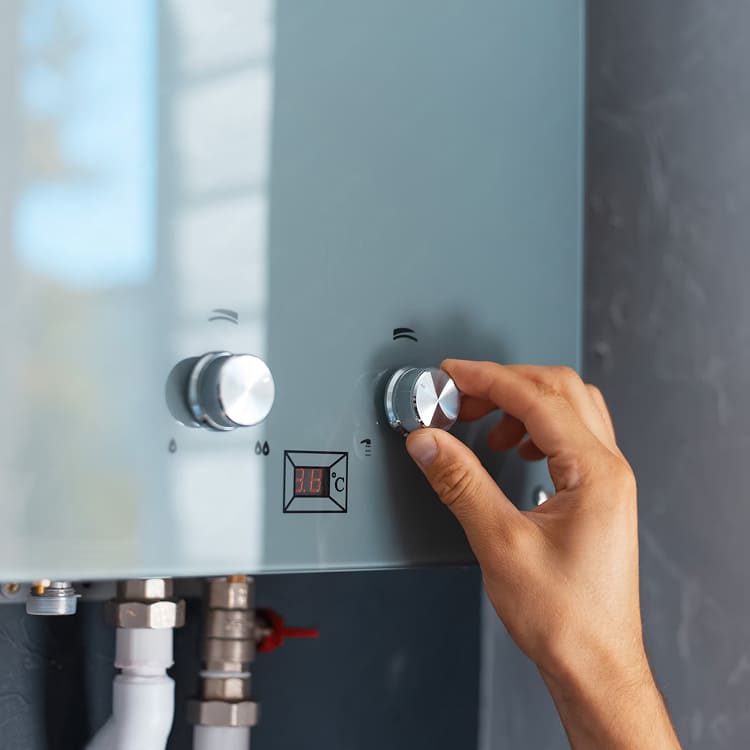
A professional installation involves a methodical sequence designed to safely decommission the old unit, prepare the pipework, mount the new appliance, and verify its structural integrity.
Step 1: Chemical Flush of the Existing System
Before removing the old boiler, a chemical or power flush should be introduced into the radiators. This process clears out black iron oxide sludge, lime-scale, and rust debris.
Step 2: Isolating Utilities and Decommissioning
The installer will completely isolate the mains gas supply, electricity, and water lines. The old boiler is safely drained of all internal water, disconnected from the gas network, unmounted from the wall, and set aside for eco-friendly recycling.
Step 3: Upgrading and Re-Routing Pipework
Modern condensing boilers require specific pipe configurations that older systems lacked:
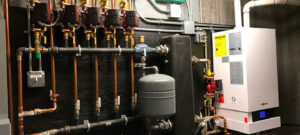
- Gas Supply Lines: Older systems often used 15mm gas pipes. Modern high-efficiency boilers typically require a wider 22mm gas pipe to ensure adequate fuel pressure during peak operation.
- Condensate Drain Pipe: Condensing boilers produce acidic wastewater during operation. A plastic condensate pipe must be safely routed to an internal drain or an external soakaway to dispose of this fluid.
Step 4: Mounting the New Boiler
Using a manufacturer-provided wall template, the installer drills heavy-duty fixing points into a structurally sound wall. The new boiler is securely hung, ensuring perfect alignment so that internal automatic air vents and drainage paths function correctly.
Step 5: Installing the Flue and Condensate System
The flue is the exhaust pipe that safely carries waste gases out of your home.
- Horizontal Flues: Exit directly through an external wall.
- Vertical Flues: Route upward through the roof.
- Safety Seals: The installer seals the flue joints with high-temperature silicone templates to ensure no carbon monoxide can seep back into living spaces.
Step 6: Electrical Hookup and Smart Controls
The boiler is wired into a fused spur switch for electrical protection. At this stage, advanced smart thermostats or weather-compensation controls are linked to the system.
Commissioning, Safety Testing, and Legal Registration
Once all physical connections are complete, the system cannot simply be turned on. It must undergo a strict commissioning sequence to verify safe operating pressures.
System Soundness Test
The installer performs a gas tightness test across the entire property to confirm there are absolutely no micro-leaks in the newly modified pipe network.
Flue Gas Analysis
Using an electronic flue gas analyzer, the technician measures the exact ratio of carbon dioxide to carbon monoxide being emitted. This guarantees the burner is achieving clean, efficient, and complete combustion.
Building Regulations Notification
Within 30 days of completion, your registered installer must notify your local local authority building control through the Gas Safe portal.
You will receive a Building Regulations Compliance Certificate in the post, which is a vital legal document required if you ever decide to sell your home.
Summary Checklist for Homeowners
To keep your installation stress-free and fully legal, make sure you complete these final checks:
- Verify your chosen engineer’s physical Gas Safe ID card before they begin work.
- Confirm the gas pipe size is upgraded to 22mm if required by the manufacturer.
- Install a magnetic system filter to continuously catch sludge and protect the new heat exchanger.
- Ensure you receive your Building Regulations Compliance Certificate and a filled-out Benchmark checklist.
Ready to upgrade your boiler? Speak to the Gas Right team and request your free consultation today.
📞 Call: 07941705299
🌐 Visit: https://gas rightlimited.com/