
A fully operational and highly efficient heating system is the heart of any comfortable UK home. According to data published by the Energy Saving Trust, heating accounts for roughly 55% of what the average household spends each year on energy bills. With energy costs remaining a top priority for families across South Wales and the wider UK, keeping your domestic heating system optimized is no longer just about staying warm, it is a critical strategy for financial savings.
Many homeowners rarely think about their heating systems until something goes wrong on a freezing winter evening. Waiting for a complete system breakdown is an expensive approach that can lead to costly emergency repair fees, disrupted schedules, and prolonged discomfort. Learning how to maintain a boiler through consistent, proactive checks ensures your system functions safely, minimizes carbon emissions, and maximizes the lifespan of your investment.
As local heating specialists dedicated to keeping communities safe and warm, Gas Right has put together this definitive guide outlining the top 10 practical maintenance tips to keep your central heating infrastructure performing flawlessly all year round.
1. Schedule a Professional Annual Service
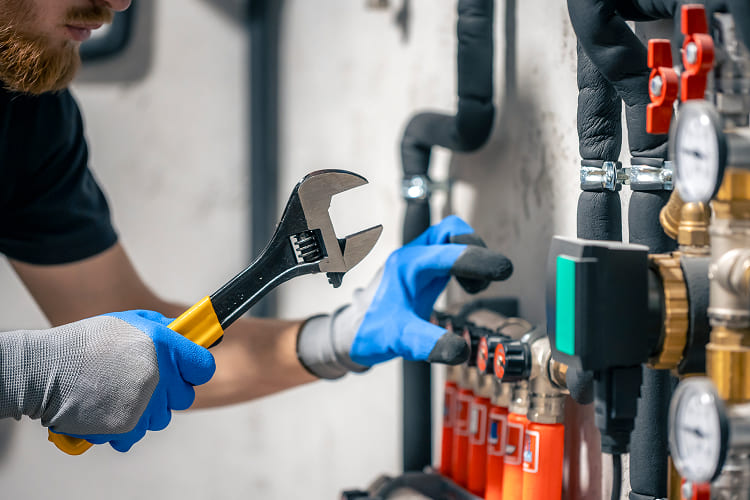
The single most effective action you can take to protect your heating system is to schedule a professional inspection once every twelve months. Professional gas boiler maintenance must be carried out by a certified, Gas Safe registered engineer who possesses the technical tools to inspect internal mechanical components, verify gas pressures, and test safety controls.
An annual service is not merely a box-checking exercise. It cleanses vital components like the heat exchanger and burner, preventing the buildup of operational soot that degrades efficiency over time.
2. Bleed Your Radiators Regularly
If you notice that your radiators are warm at the bottom but remain completely cold at the top, air is trapped inside the central heating circuit. This trapped air prevents hot water from circulating effectively throughout the panel, forcing your system to work significantly harder and burn more fuel to heat the room.
How to Safely Bleed a Radiator
- Turn Off the System
- Locate the Valve
- Release the Air
- Close the Valve
3. Monitor and Adjust the Boiler Pressure
For a central heating system to push hot water effectively through your home’s pipework, it must maintain a stable level of internal water pressure. You can easily check this by looking at the circular pressure gauge located on the front control panel of your unit.
Finding the Sweet Spot
The ideal operational pressure for a cold boiler system typically sits between 1.0 and 1.5 bar. If your pressure dial drops below 1.0 bar, your system may fail to fire up or provide adequate heating. Conversely, if it shoots up past 2.5 bar, it indicates an overpressurized loop.
4. Invest in a Smart Thermostat
Traditional mechanical thermostats are notoriously inaccurate, often causing heating systems to overshoot target temperatures and waste fuel. Upgrading to a modern digital or smart thermostat allows you to optimize your energy consumption with pinpoint accuracy.
Smart thermostats learn your daily routines, automatically lower temperatures when the house is empty, and provide detailed energy usage reports directly to your smartphone. Gas Right regularly provides high-quality smart thermostat solutions alongside installations, allowing homeowners to set highly customized heating schedules that minimize unnecessary cycling and lower monthly utility expenses.
5. Switch Your Heating On During Summer
It might seem counterintuitive to run your central heating during the hottest months of the summer, but keeping the system entirely dormant for months at a time is a primary cause of early autumn breakdowns. Internal components like the central heating pump and motorized diverter valves can easily seize up if they remain static for too long.
To prevent this internal mechanical seizing, turn your heating on for just 10 to 15 minutes once every few weeks throughout July and August. This brief operational cycle keeps the internal moving parts lubricated and operational, ensuring everything runs smoothly when cold weather eventually arrives.
6. Inspect the External Flue for Obstructions
The flue is the external pipe coming out of your property’s wall or roof that safely expels harmful exhaust gases, such as carbon monoxide, away from your living space. If this terminal pipe becomes blocked, it can cause dangerous gases to back up into your home or prompt the system’s safety sensors to shut the unit down entirely.
Periodically check the exterior of your property to ensure the flue terminal is clear. Remove any accumulating autumn leaves, overgrown garden foliage, or bird nests that could block the path of the exhaust. Always ensure that any external protective mesh grilles remain intact and clear of debris.
7. Look for Visible Leaks and Listen for Strange Noises
Small issues left unaddressed quickly grow into major mechanical failures. Cultivate a habit of visually checking the pipework underneath your unit for any signs of water dripping, damp patches, or localized rust formations. Even a tiny water leak can cause internal electronics to short-circuit or rust out.
Additionally, pay close attention to the sounds your system makes. If you hear loud banging, whistling, or vibrating sounds (often referred to as “kettling”), it typically points to a buildup of limescale or sludge inside the main heat exchanger.
8. Maintain Adequate Ventilation and Clear Space
Boilers require a consistent and clean supply of fresh air to facilitate proper combustion, especially if you have an older open-flue appliance. Additionally, service engineers require clear, unobstructed access to execute safety testing and component replacements.
If your unit is housed inside a kitchen cupboard, utility closet, or storage room, resist the urge to pack clothes, cleaning supplies, or heavy boxes tightly around it.
9. Install a Magnetic Sludge Filter
Over time, the internal chemical reaction between water and the steel components inside your radiators creates a black, metallic sludge known as iron oxide. This thick debris settles at the bottom of radiators, restricts water circulation, and clogs up narrow passages within the main heat exchanger.
Installing a professional magnetic sludge filter directly into your system’s return pipework captures these metallic particles before they can enter your appliance’s sensitive internal components.
10. Know When It Is Time to Upgrade
No matter how diligently you care for your heating equipment, every mechanical system eventually reaches the end of its natural operational lifecycle. Standard domestic units generally last between 10 and 15 years. Older appliances become increasingly inefficient, difficult to source replacement parts for, and prone to repetitive component failures.
According to data from the Health and Safety Executive (HSE), poorly maintained or outdated gas appliances carry an elevated risk of producing dangerous carbon monoxide leaks.
Conclusion
Proactive maintenance is the ultimate key to achieving consistent home comfort, complete operational safety, and lower monthly utility expenses. By conducting straightforward checks like bleeding radiators, monitoring pressure gauges, and prioritizing professional annual servicing, you can prevent unexpected system breakdowns during peak winter periods. Let the friendly professionals at Gas Right take the stress out of your home heating care, ensuring your system runs safely and efficiently through every season of the year.